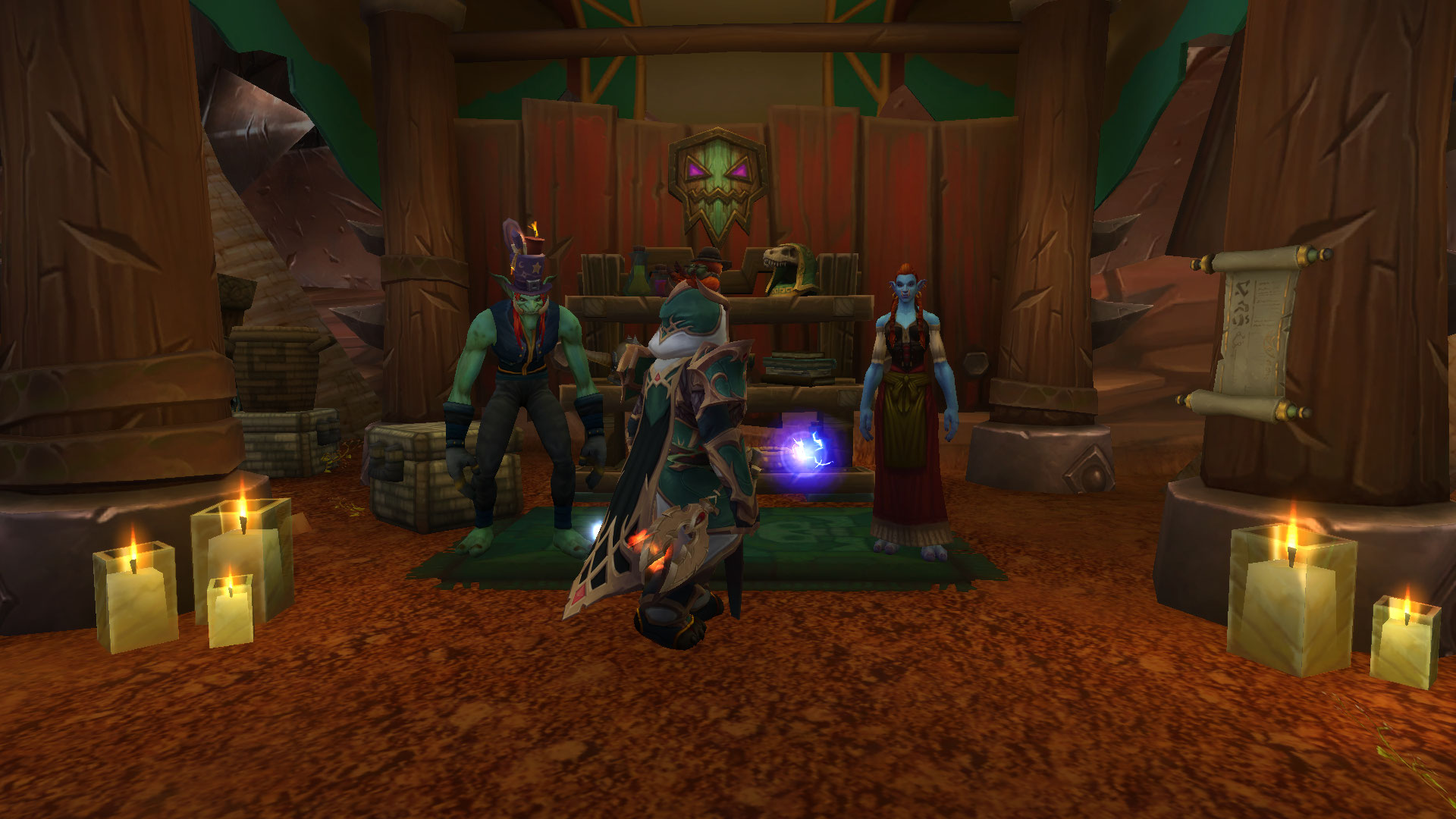
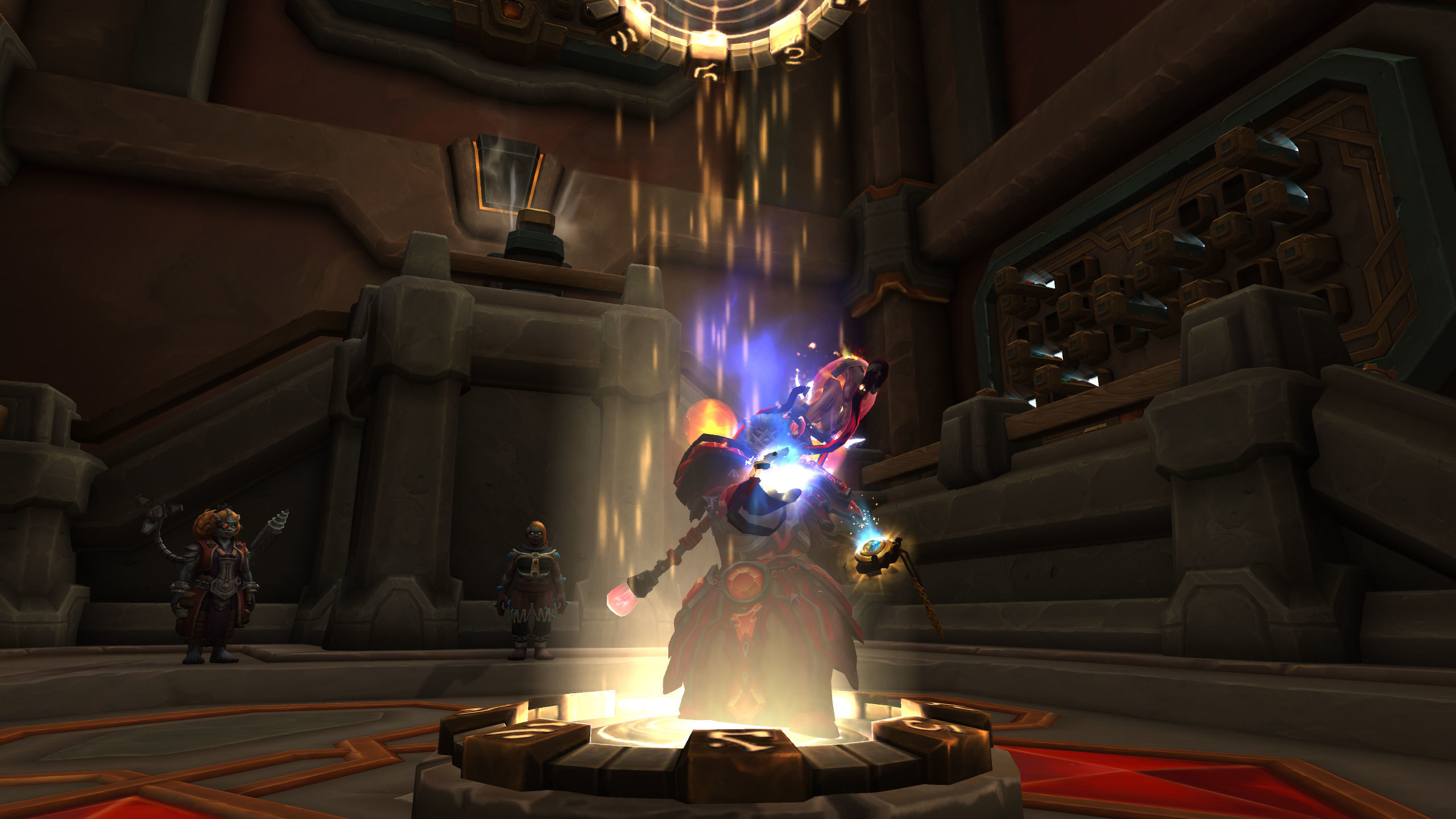
Loot is a big part of World of Warcraft. Getting new gear feels good. But how does loot actually drop? Is it just luck? This guide will break down how loot works in modern WoW, from individual chance to smart group strategy. We will cover the different types of loot, how they affect your chances, and how your group can work together to get everyone geared faster. Understanding the loot system helps you manage expectations and make better choices for your character’s upgrades. It is about seeing the mechanics behind the excitement of new items.
Personal Loot (The Default System)
Most content in WoW uses “Personal Loot.” This means when you kill a boss, the game rolls directly for you. You either get an item your class can use, or you do not. No one else can take your item, and you cannot take theirs. If you get an item you do not need, you can trade it to other players in your group IF:
- It is an item level upgrade for them.
- It is not your “best in slot” item (the best item for that gear slot).
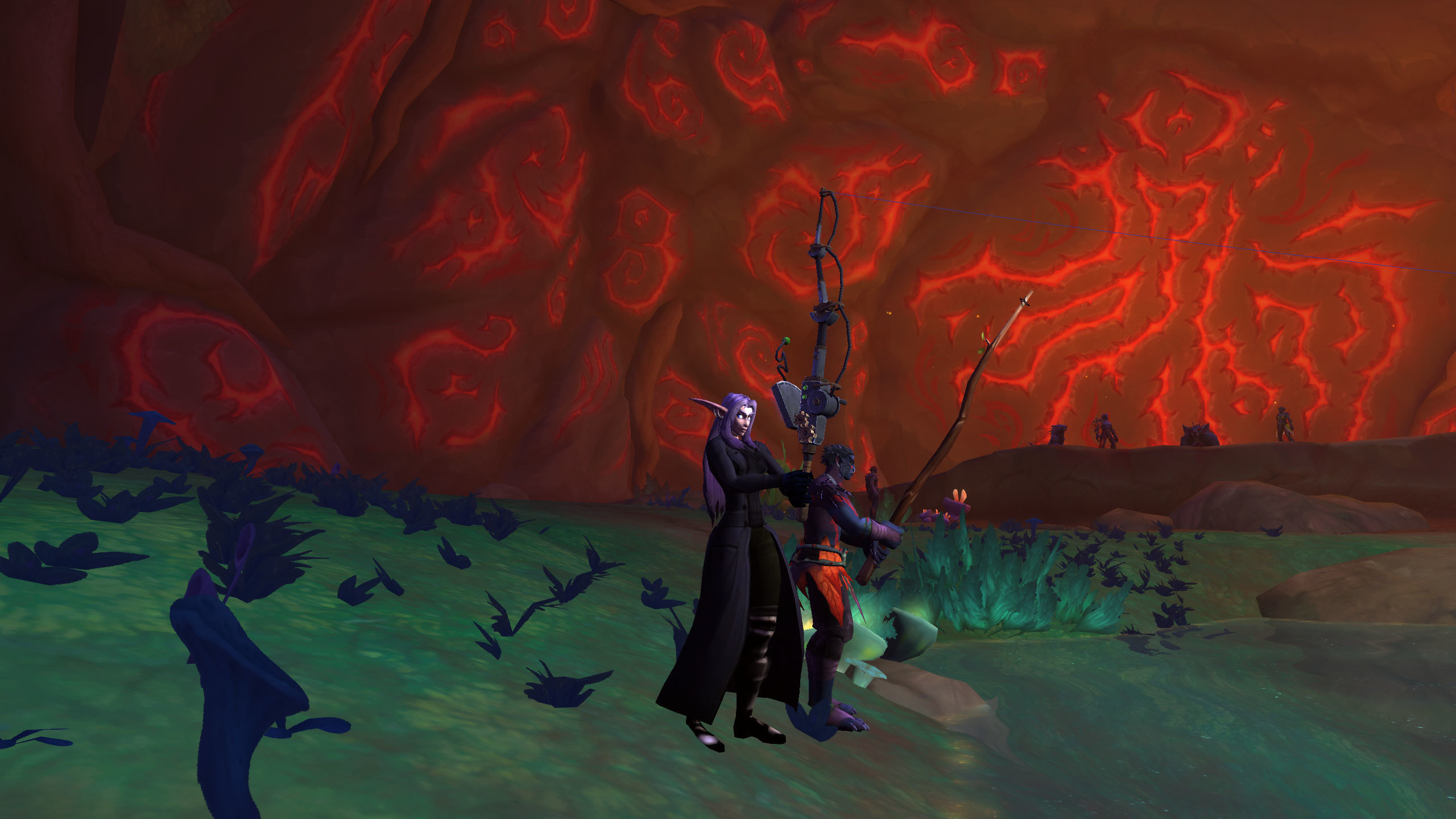
Group Loot (In Raids)
In current raids, “Group Loot” is common. When a boss dies, items drop directly onto the boss’s body, and everyone in the raid can see them. Players then “roll” for items they need:
- Need: If it is an upgrade for your main specialization and you plan to use it.
- Greed: If it is for an off-spec, transmog, or to sell.
- Pass: You do not want the item.
| Loot System | How It Works | Pros | Cons |
|---|---|---|---|
| Personal Loot | Item rolls directly for you. | No fighting over drops, easy for PUGs. | Cannot give items to alts, limited trading rules. |
| Group Loot | Items drop on boss, players roll. | More control over where items go, helps group gear faster. | Requires honest rolling, can lead to drama in PUGs. |
| Legacy Loot (Old Content) | Drops all items from boss. | Great for transmog/gold farming solo. | Not relevant for current content gearing. |
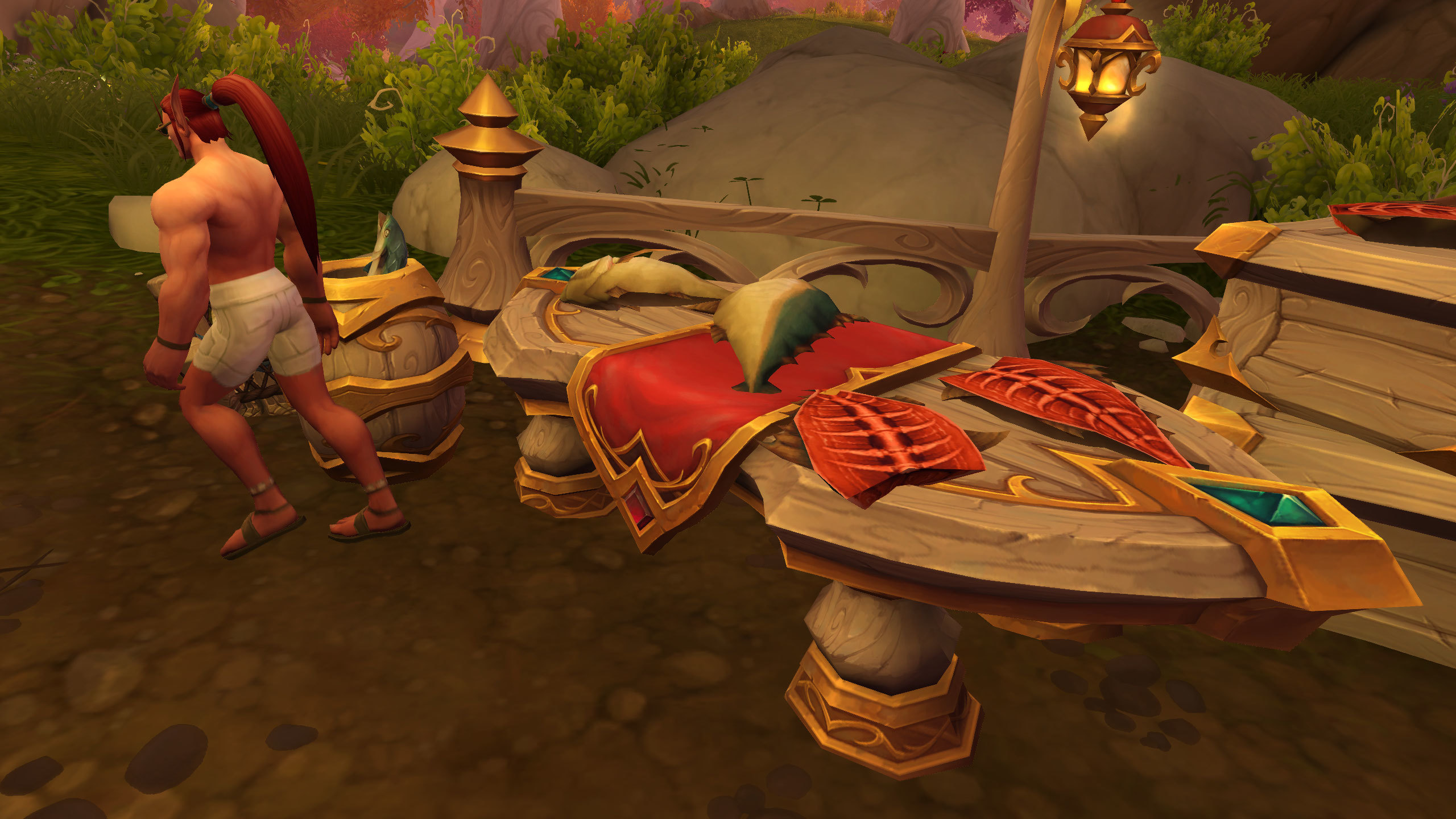
“Legacy Loot” (Old Content)
When you run old raids or dungeons (usually more than one expansion old) by yourself or with a small group, the game uses “Legacy Loot.” This means the boss drops *all* the items it would normally drop for a full raid group. This is great for:
- Transmog farming: Getting many items to collect their appearances.
- Gold farming: Selling all the unwanted items to vendors.
- Mounts/Pets: More chances for rare drops.
Smart Group Strategy for Gearing
When playing with a consistent group (Mythic+ team or raid team), you can work together to gear faster.
- Know Who Needs What: Your group should know which players need specific items the most. For example, if the tank needs a weapon, and two damage dealers already have good weapons, those damage dealers should pass on weapons if they can trade.
- Trading Rules: Be ready to trade items you do not need, especially if they are a big upgrade for someone else.
- Target Farming: In Mythic+, run specific dungeons that drop items your group needs.
The “Upgrade” Rule for Trading
Remember the rule for trading Personal Loot: you can only trade an item if it is *not* an item level upgrade for you. If a boss drops a chest piece that is 5 item levels higher than your current chest, you cannot trade it, even if you do not want it. This is to stop players from giving away all their loot to one person. This rule is important to know for trading decisions. It affects how you decide to pass on items or keep them. It adds a small layer of strategy to personal drops.
Loot Is Not Everything
While loot is exciting, remember it is not the only thing that matters. Skill, strategy, and teamwork often make a bigger difference than one or two item levels. Do not get too focused on getting every single item. Focus on playing well, and the loot will come. A good player with okay gear is often better than a bad player with the best gear. Enjoy the game, and let loot be a bonus to your adventures. This perspective helps reduce loot stress. It is about appreciating the journey, not just the rewards.