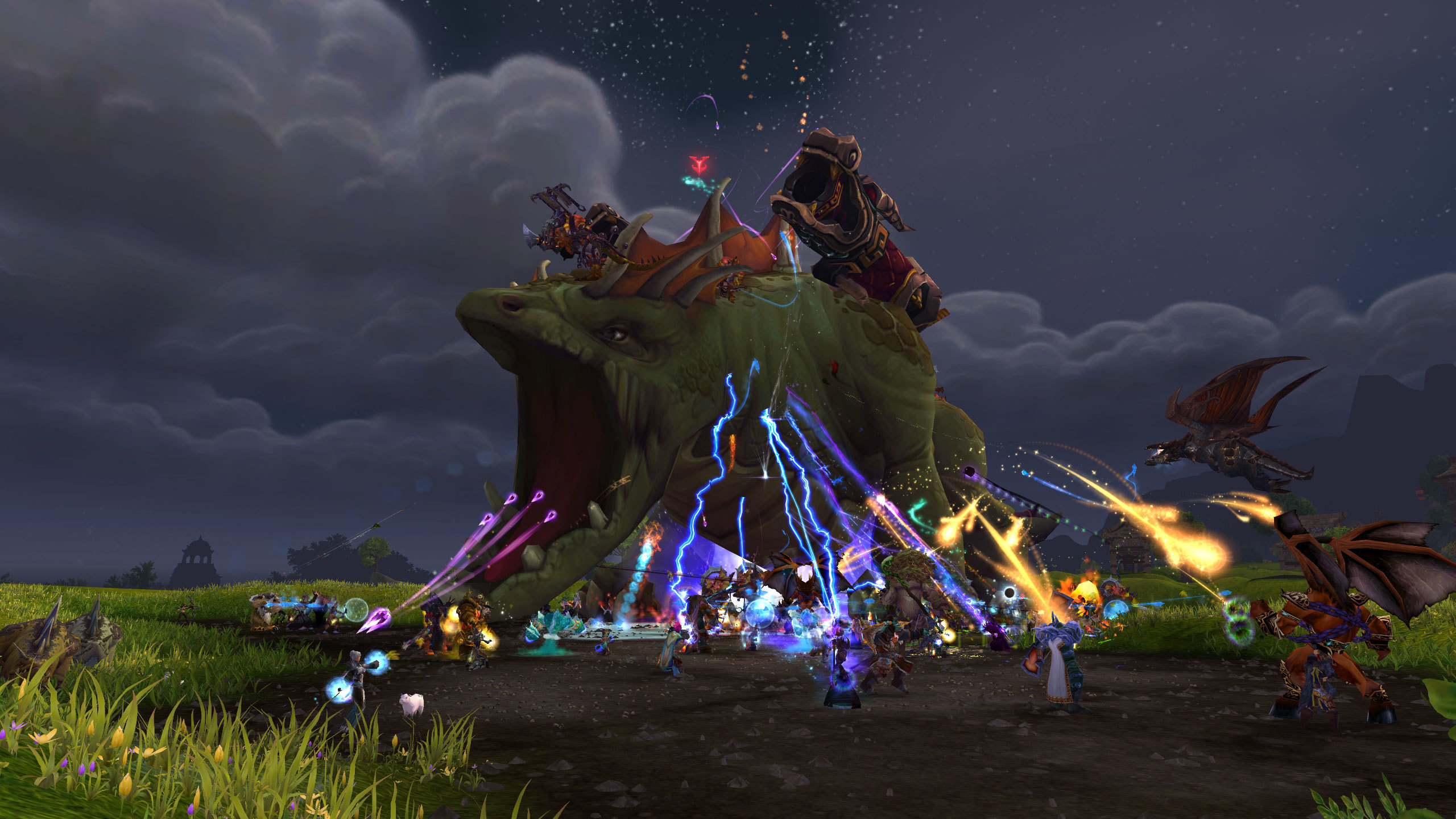
World bosses have been a staple of WoW since its earliest days, offering epic fights that bring entire zones of players together. Unlike instanced raids, world bosses roam Azeroth’s open world, demanding coordination from dozens or even hundreds of adventurers. Their unpredictability, shared rewards, and massive scale make them some of the most memorable encounters in WoW’s history.
Behind these encounters lies careful design: world bosses are meant to unite communities, challenge players across factions, and provide aspirational rewards. Exploring their secrets reveals why they continue to be a vital part of WoW’s content structure even in 2025.
The Origins of World Bosses
Classic WoW introduced the first world bosses like Lord Kazzak and Azuregos. These encounters became legendary, not only for their difficulty but also for the chaos they caused. Entire guilds raced to tag the bosses first, sparking server rivalries and stories that remain part of WoW’s legacy.
These early bosses set the standard for world encounters: high risk, massive rewards, and unforgettable community drama. They weren’t just fights—they were events.
Designing Open-World Challenges
World bosses are carefully balanced to feel epic without being as demanding as raids. Their mechanics encourage large groups, often requiring tanks, healers, and DPS to coordinate without the structure of an instanced environment. Blizzard designs them to be accessible while still testing teamwork.
This design philosophy ensures world bosses feel inclusive, allowing casual players to participate while still rewarding skilled coordination. They are a bridge between open-world play and organized raiding.
Loot and Rewards
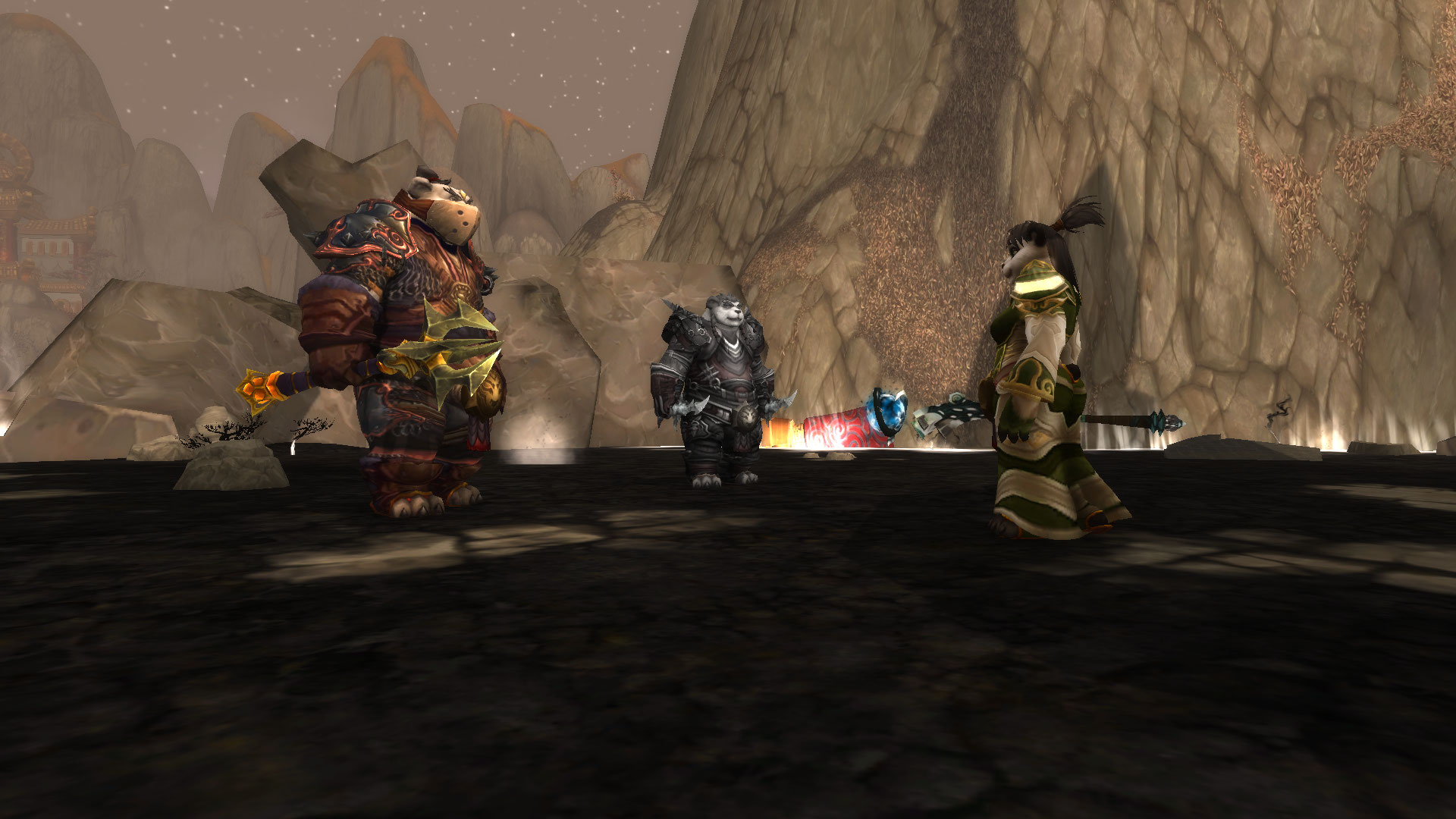
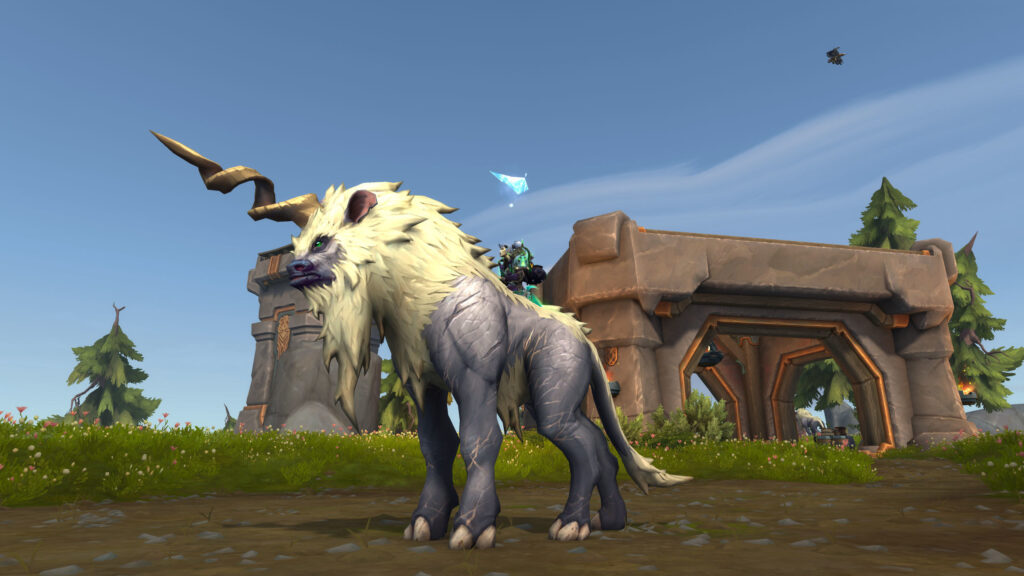
World bosses traditionally drop powerful loot, cosmetics, and unique mounts. In expansions like Mists of Pandaria, Sha of Anger and Nalak became weekly targets for both gear and rare mounts, driving massive player participation. In Dragonflight and The War Within, bosses continue this tradition with modern scaling rewards.
The excitement of weekly lockouts adds anticipation, keeping players engaged in farming world bosses long after their initial release.
Faction Rivalries and Server Stories
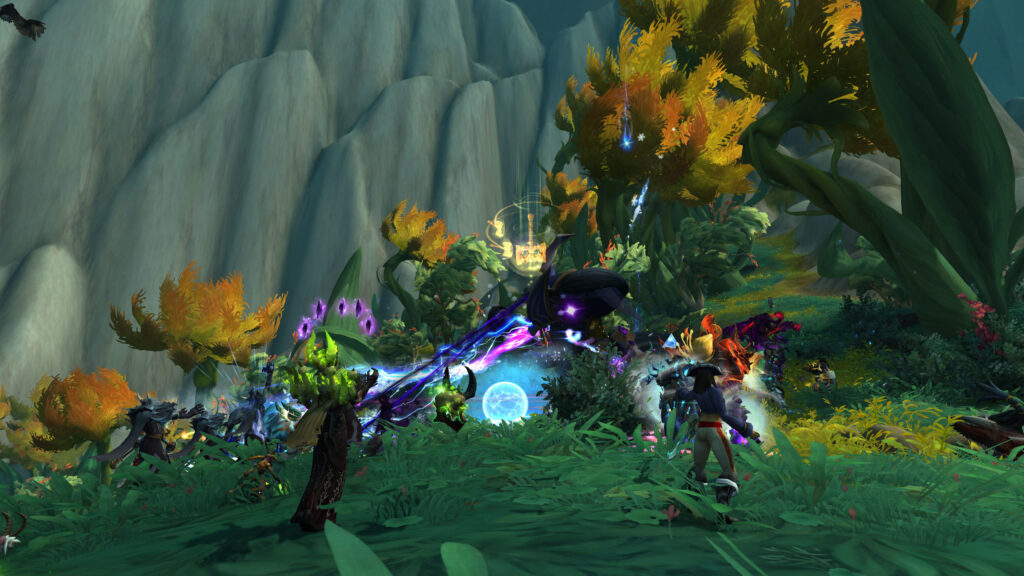
Because world bosses exist in open zones, they often become flashpoints for PvP. Horde and Alliance groups clash over tags, creating spontaneous battles that rival planned battlegrounds. These rivalries built some of WoW’s most iconic server stories, where victories were remembered for years.
Even in cross-realm play, these encounters retain a sense of unpredictability, as players never know whether they’ll face the boss—or the opposing faction first.
Modern World Bosses
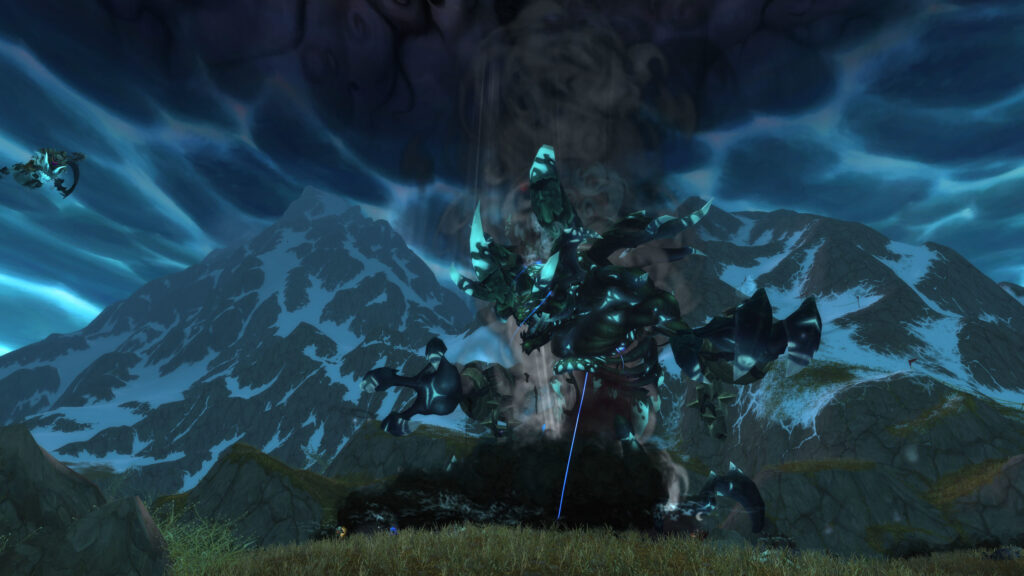
In recent expansions, Blizzard has refined the world boss formula. Scaling mechanics ensure they remain challenging, while weekly timers and Warband systems guarantee relevance for multiple characters. Newer world bosses also tie more directly into expansion storylines, making them narrative as well as mechanical highlights.
Players still flock to these encounters not only for loot but also for the spectacle. They remain one of the few content types where the entire community comes together at once.
- Classic: Lord Kazzak, Azuregos.
- Pandaria: Sha of Anger, Nalak.
- Legion: Rotating world bosses tied to zones.
- Dragonflight: Primal Incarnates and rare spawns.
- The War Within: Story-driven world encounters.
Conclusion
World bosses remain one of WoW’s most exciting traditions, combining challenge, community, and spectacle. From chaotic server rivalries in Classic to the polished encounters of modern expansions, these bosses provide both rewards and unforgettable memories. Their secrets lie not just in mechanics, but in the way they bring players together in moments of shared triumph—or defeat.
As WoW continues into The War Within and beyond, world bosses will remain iconic fixtures, carrying forward the legacy of epic, open-world encounters that unite Azeroth’s adventurers.
Home