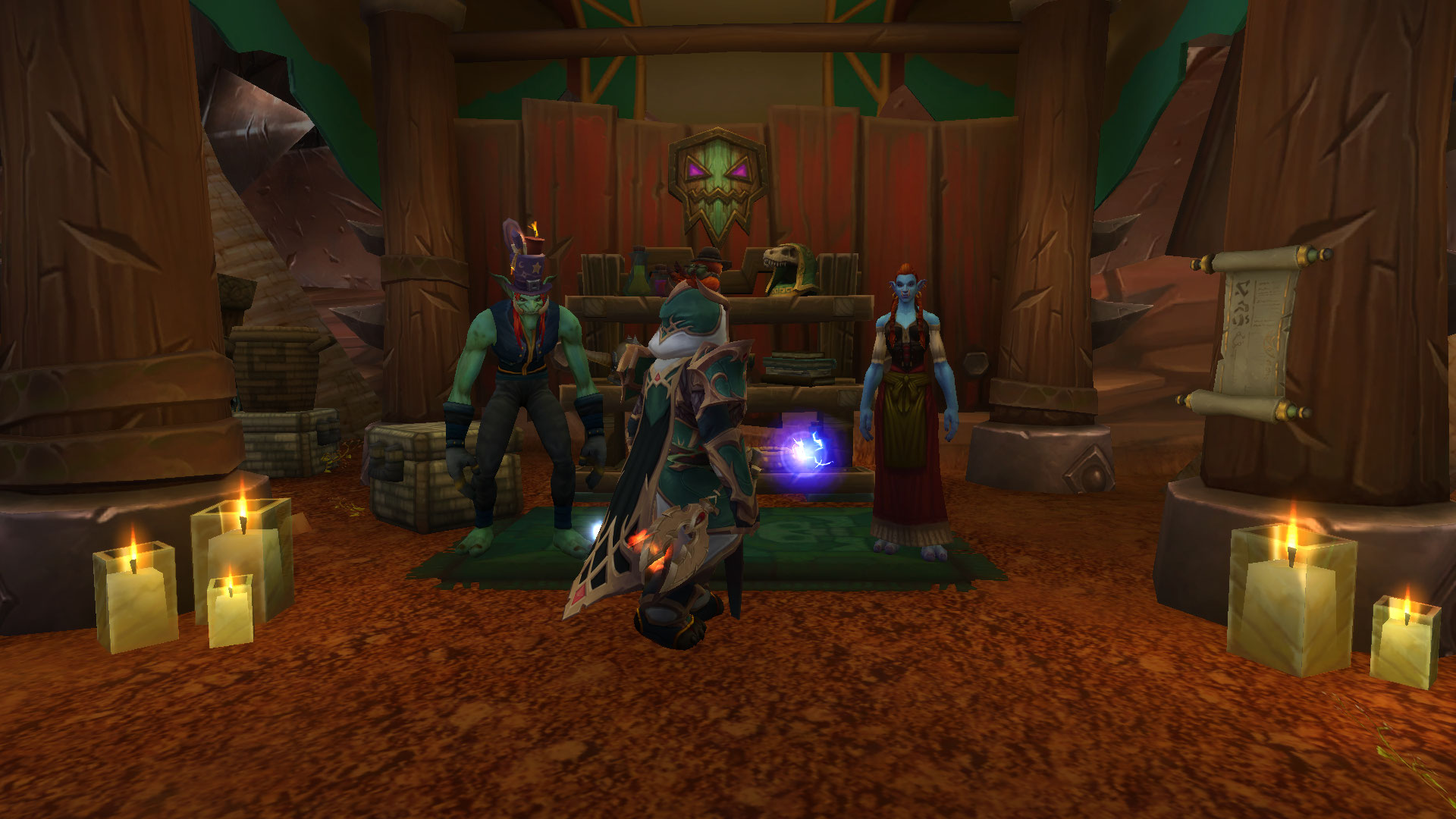
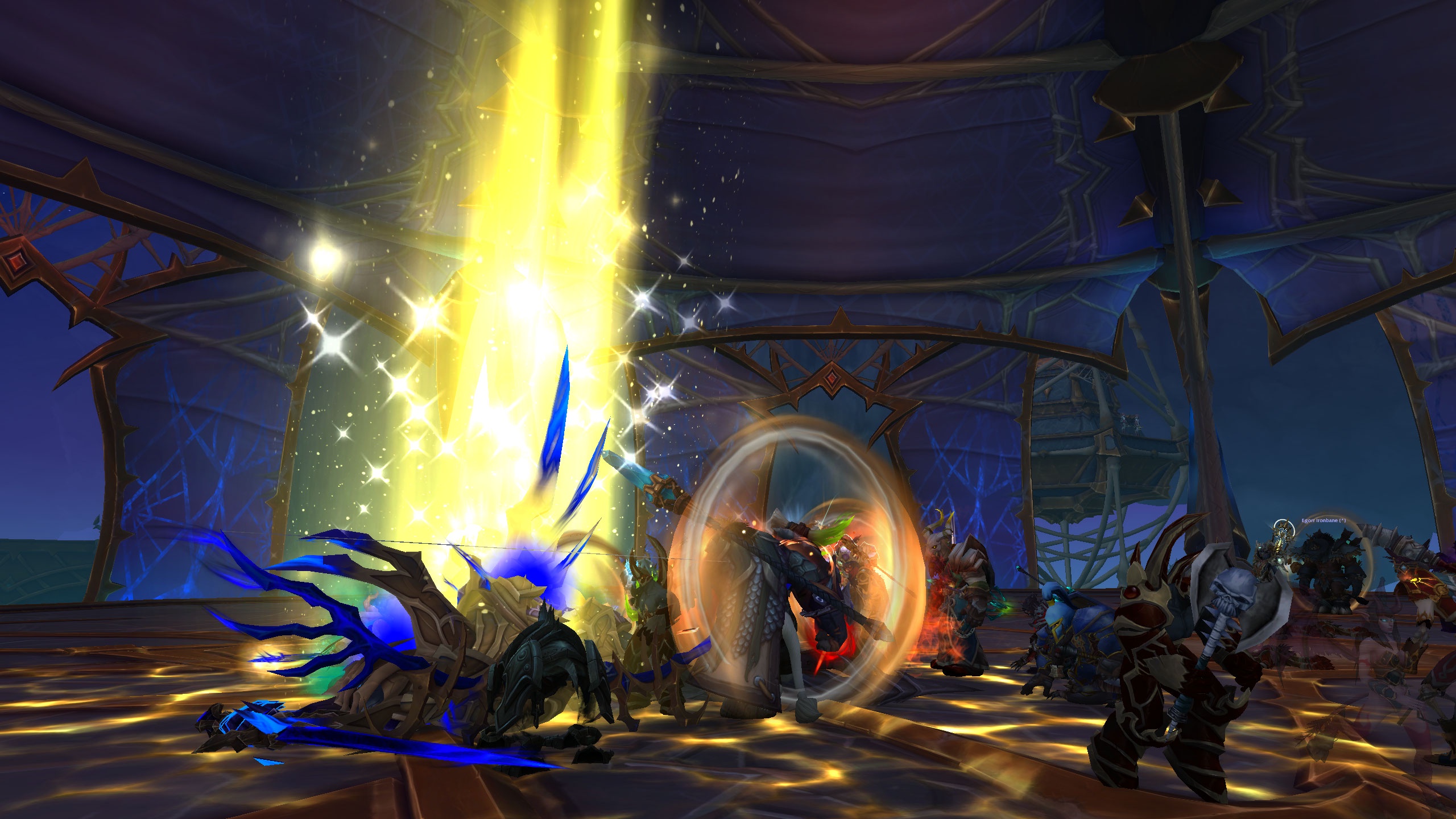
Imagine you’re leading a World of Warcraft raiding clan, where your role is far more than just rallying troops. You’re the strategist, the diplomat, and sometimes the peacemaker. How exactly do you balance all these responsibilities while keeping morale high and ensuring success in complex raids? The nuances of assigning roles, crafting strategies, and nurturing a harmonious team can be overwhelming. But what truly makes a guild leader effective, and how do they shape the destiny of their clan? Let’s explore the intricate dance of leadership in one of gaming’s most demanding environments.
Key Takeaways
- Guild leaders assign roles based on player strengths to optimize team performance in raids.
- They research strategies and adapt them during encounters to overcome challenges effectively.
- Leaders foster collaboration by encouraging open feedback and maintaining team harmony.
- They use communication tools like Discord for strategy alignment and real-time coordination.
- Leaders motivate members with clear goals, performance recognition, and a supportive environment.
Leadership Responsibilities
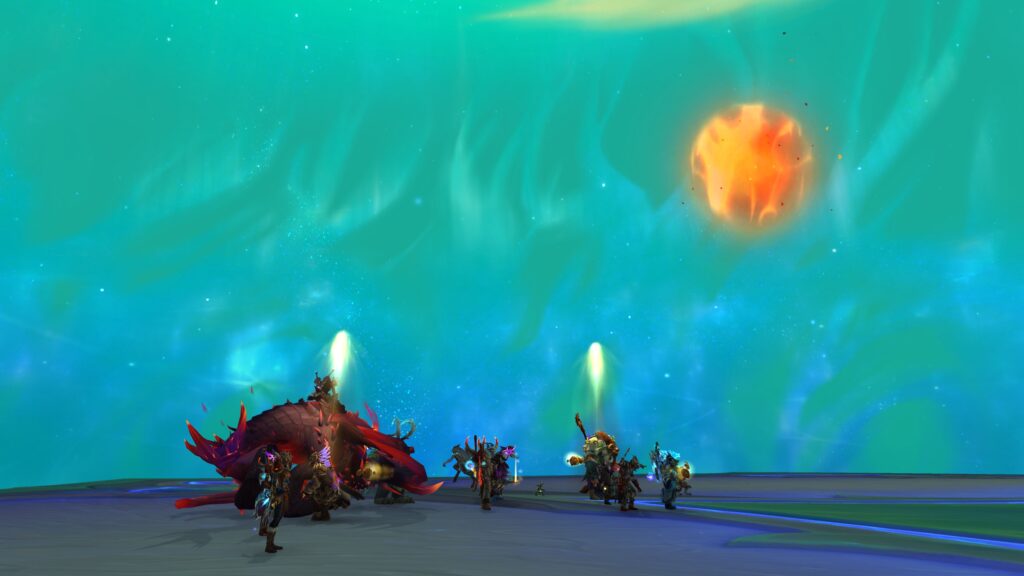
Leading a World of Warcraft raiding clan demands a combination of strategic foresight and interpersonal skills. As a raid leader, you’re tasked with guiding your raid guild through challenging raids, often requiring precise coordination and thorough understanding of game mechanics. Your primary responsibility is organizing the raid team, ensuring all roles are filled by experienced players capable of handling the demands of mythic raiding.
Start by evaluating each player’s game experience to assign roles effectively. You should know who excels in damage dealing, tanking, or healing, tailoring your strategy to maximize the strengths of your team. Communication is key, but more about that later. For now, focus on ensuring every member understands their role within the raid.
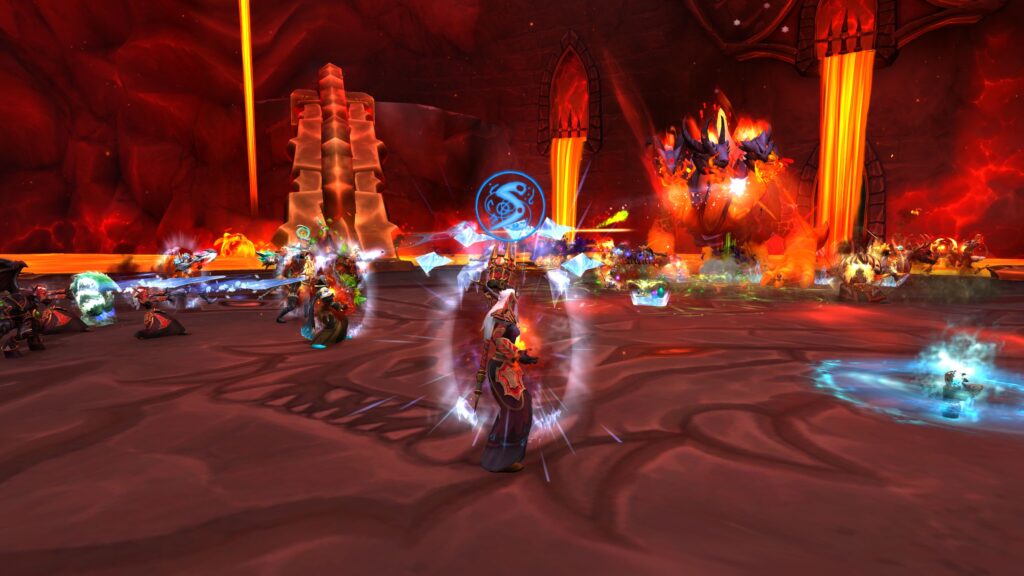
Prepare for each raid by researching strategies and potential pitfalls. Share this knowledge with your team, conducting practice runs if necessary. During the raid, stay adaptable; if a strategy isn’t working, don’t hesitate to adjust your approach. Encourage your team to provide feedback, fostering a collaborative environment where everyone feels valued. By maintaining a clear vision and adapting to challenges, you’ll lead your raid guild to success in even the most challenging of mythic raids.
Communication Strategies
Effective communication strategies form the backbone of any successful World of Warcraft raiding clan. As a guild leader, your role involves guaranteeing clear, efficient communication with your player base. Without it, even the most skilled damage dealer in your group can struggle during wow raids. Coordination is key, requiring a delicate balance between instruction and feedback. Here’s how you can enhance your clan’s communication:
- Establish Clear Roles: Make sure every raider knows their role, whether they’re a tank, healer, or damage dealer, to streamline raid strategies.
- Create a Communication Hub: Use platforms like Discord for real-time discussions, allowing for quick problem-solving during raids.
- Develop Pre-Raid Briefings: Discuss strategies and potential challenges before the raid begins to guarantee everyone is on the same page.
- Encourage Feedback: After raiding, gather insights from your player base to understand what worked and what didn’t, fostering an environment of continuous improvement.
- Utilize Visual Aids: Sharing maps and diagrams can clarify complex raid mechanics, making them easier to understand and execute.
Conflict Resolution
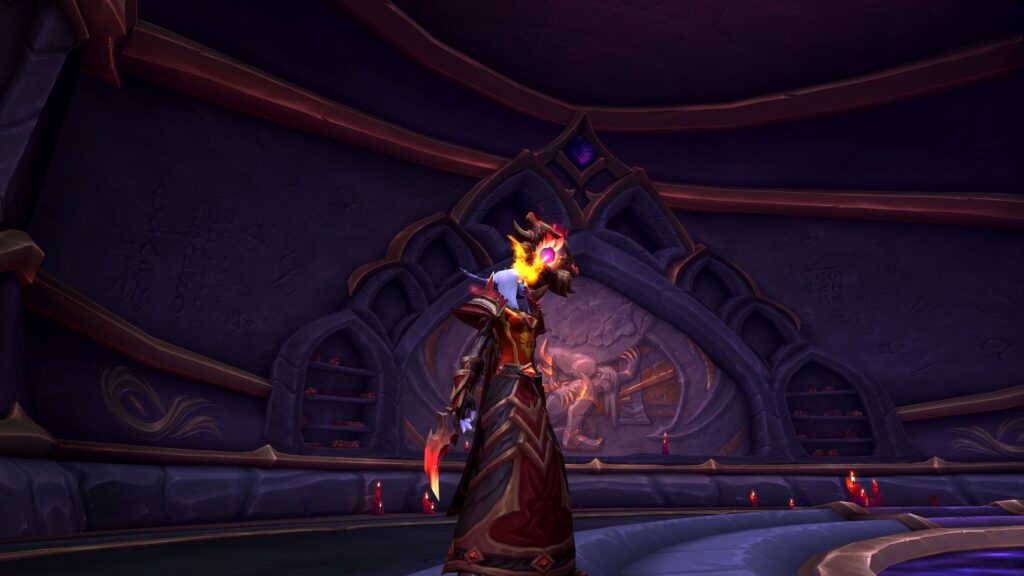
In any World of Warcraft raiding clan, conflicts are bound to arise, whether due to miscommunication, differing priorities, or personality clashes. As a guild leader, your role in conflict resolution is vital for maintaining harmony and guaranteeing your team stays focused on defeating raid bosses. Start by identifying the root cause of the conflict. This requires active listening and understanding each party’s perspective without bias. Once you’ve pinpointed the issue, facilitate a discussion aimed at finding a compromise or solution that satisfies everyone involved.
Here’s a simple approach to conflict resolution:
| Step | Action | Outcome |
|---|---|---|
| Identify | Gather information from all parties | Understand the root cause |
| Mediate | Encourage open dialogue and brainstorming | Reach a mutual agreement |
| Implement | Develop an action plan and follow through | Guarantee the solution is effective and lasting |
Team Organization
Successful team organization within a World of Warcraft raiding guild hinges on clear roles and responsibilities. As a guild leader, you need to establish a well-defined structure to guarantee your team is functioning at its best. Each member should know their specific role, whether it’s tanking, healing, or dealing damage. You should also designate a raid leader who can coordinate strategies and communicate effectively during encounters. Here are some key aspects to take into account for ideal team organization:
- Role Assignment: Clearly define each player’s role based on their class and specialization.
- Roster Management: Keep track of attendance and availability to guarantee a full team for each raid.
- Communication Channels: Use platforms like Discord for real-time communication and coordination.
- Schedule Planning: Set regular raid times that accommodate most members’ availability.
- Backup Plans: Have substitutes ready in case of unexpected absences.
Motivating Members
Once you’ve established a solid team organization, keeping your members motivated becomes a priority for maintaining a thriving guild. Start by setting clear, achievable goals for your raiding group. This gives everyone a sense of purpose and direction, ensuring each member knows their role in the bigger picture. Regularly update these goals to keep the gameplay fresh and engaging.
Communication is key. Use tools like Discord for effective communication, allowing members to share strategies and feedback. Make sure to acknowledge individual contributions and achievements, which boosts morale and encourages others to perform their best.
Incorporate a reward system. This can be as simple as distributing loot fairly or recognizing top performers with titles and in-game rewards. Such incentives can drive players to invest more effort into raids.
Also, create a supportive environment where members feel comfortable asking questions or seeking help. Encourage experienced players to mentor newer ones, fostering a sense of community and learning.
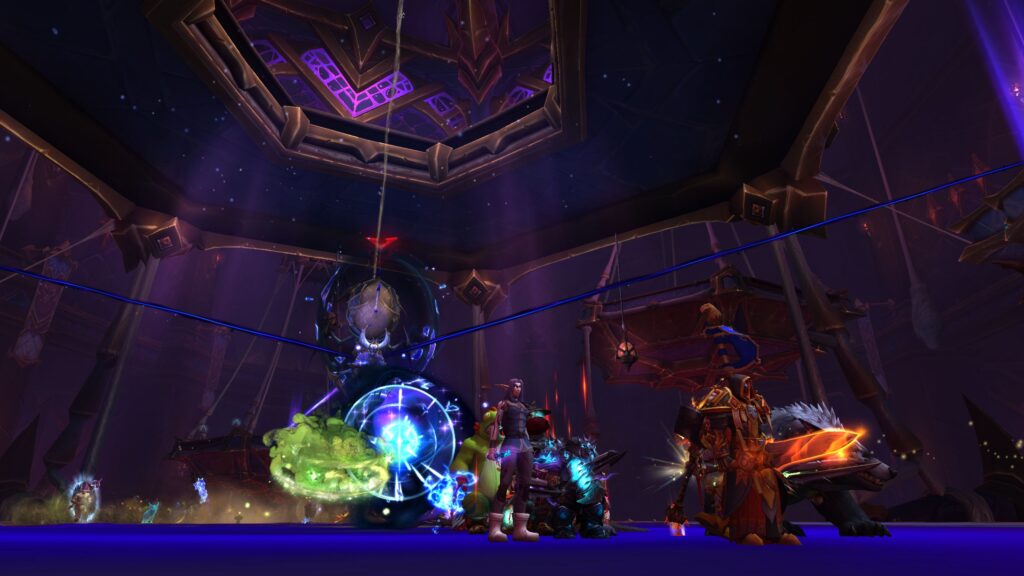
Lastly, be adaptable. If you notice a dip in motivation, be open to changing tactics or mixing up activities to keep things exciting. By focusing on these strategies, you’ll maintain motivation and drive within your guild.
Frequently Asked Questions
How Do Guild Leaders Select Raid Times to Suit All Members?
When selecting raid times, you’d want to take into account each member’s time zones and availability. A poll or survey can help gather everyone’s preferences. Flexibility and communication are essential to find a schedule that suits most players.
What Criteria Do Guild Leaders Use to Recruit New Members?
You’re looking for players who fit your guild’s culture, have the right class and skill level, and are committed to raid schedules. You might also consider personality, communication skills, and their ability to work in a team.
How Do Guild Leaders Manage Their Own Gameplay While Leading?
Did you know 70% of guild leaders balance their gameplay by prioritizing leadership over personal progress? You’ll often juggle strategic planning and communication, ensuring the team’s success while squeezing in personal achievements when possible.
What Tools Do Guild Leaders Use for Tracking Raid Progress?
You’re using various tools to track raid progress, like in-game addons, spreadsheets, and Discord for communication. These help monitor performance, assign roles, and strategize efficiently, ensuring everyone’s aligned and progressing towards your guild’s goals.
How Do Guild Leaders Balance In-Game Leadership With Real-Life Commitments?
You’ve probably wondered how guild leaders juggle in-game leadership with real-life duties. They prioritize, delegate tasks, and use time management skills. Some even integrate gaming into their schedules, ensuring balance without sacrificing personal or professional responsibilities.
Home